
A World-Class Barrier Coating Cannot Fix a Poor Paper Substrate
By Claudio J. Muñoz — Founder, Partners64
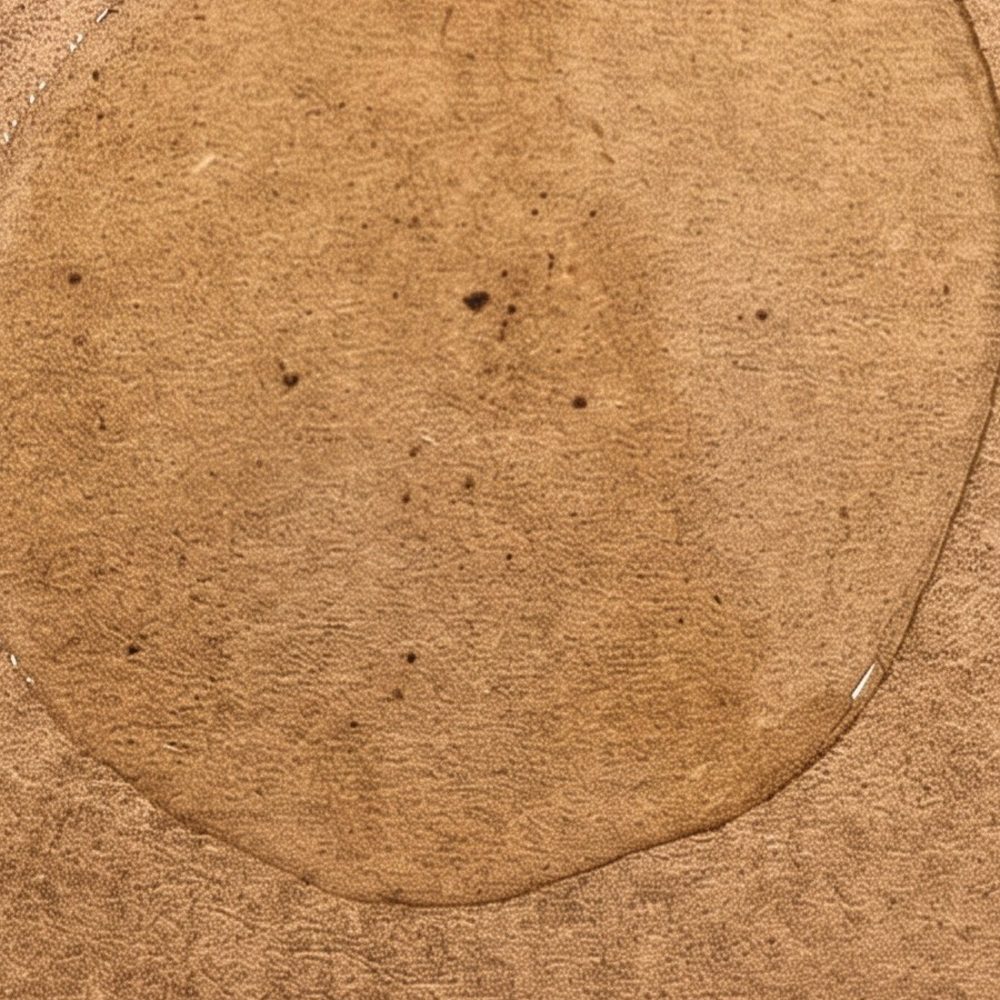
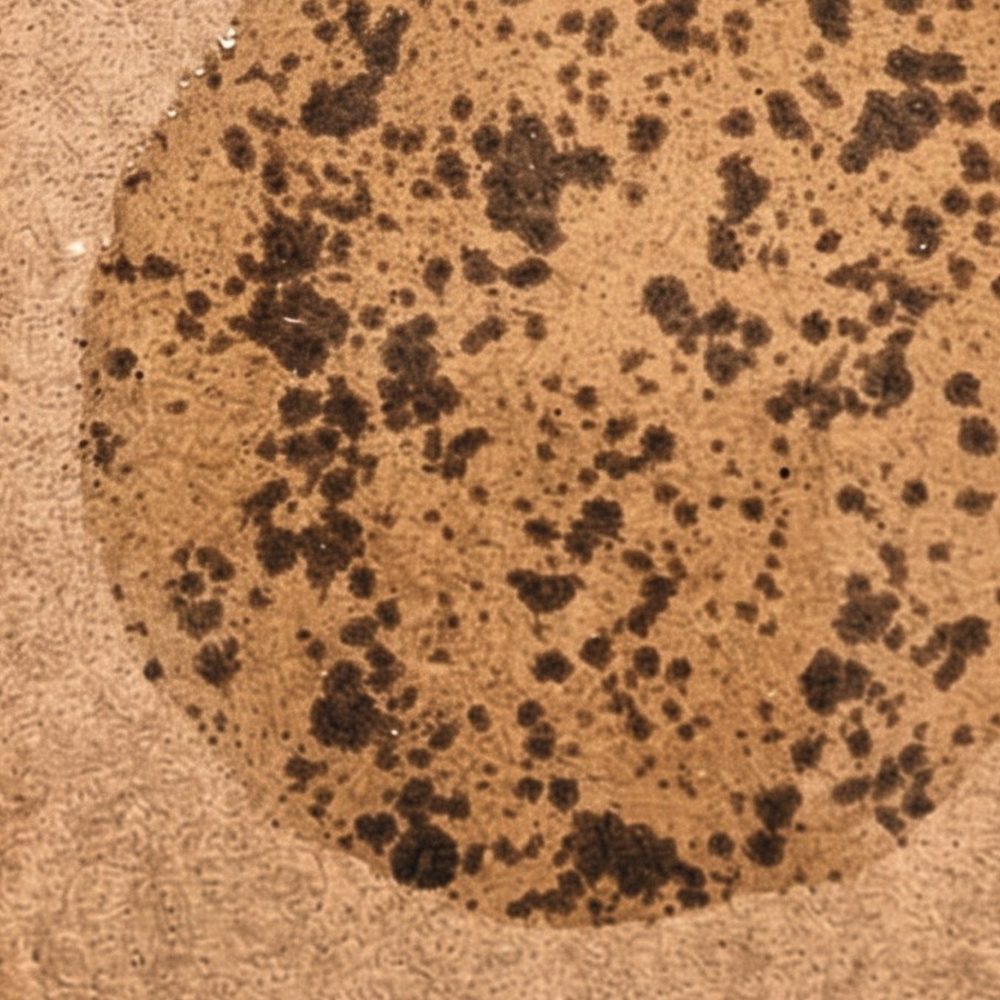
I've said this line in rooms full of chemists and gotten pushback. I've said it in rooms full of papermakers and gotten a slow nod. Both reactions tell you something. Coating chemistry gets almost all the attention in plastic-free barrier development — the resin systems, the additive packages, the coat weight targets — while the substrate underneath gets treated as a given, something you receive rather than something you design. That's backwards, and it's an expensive way to find out.
Extrusion polymers are forgiving. Molten plastic fills pores and masks a lot of variability in the paper surface, which is part of why PE- and PET-coated board became the default for so long. Aqueous, plastic-free systems don't have that luxury. If the sheet isn't engineered for barrier — closed enough, smooth enough, consistent enough — the coating doesn't sit on top and form a film. It goes wherever the path of least resistance takes it, into the sheet instead of across it. You get pinholes, uneven barrier, or you end up throwing more coat weight at the problem to compensate, which is usually the point where the economics stop working.
I think of barrier performance as a chain: fiber, paper structure, surface chemistry, coating, process control. Break any link and the whole thing is only as strong as the weakest one. I've watched projects get all the way to final trials before someone notices the coating is penetrating so deep that the cost-to-performance ratio is no longer viable. By then, the instinct is to tweak the chemistry or push the coat weight higher, when the actual limitation has been sitting in the base sheet the entire time.
I posted a version of this piece on LinkedIn a while back, and the response — over a hundred reactions and more than forty comments from people who deal with this daily — made clear I'd undersold how deep the substrate problem goes. A few things came out of that conversation worth adding here.
The first is that the real culprit is usually porosity, not basis weight. Several people working in food service and flexible packaging pointed out that a heavier sheet doesn't automatically mean a better barrier — GSM can move oil resistance a bit, but it does very little for oxygen or moisture transmission if the structure underneath is still open. A related point I hadn't emphasized enough: a lot of converters aren't equipped to spec the right paper for the end application in the first place, and paper mills, for good commercial reasons, want to keep making general-purpose grades that work across many uses rather than one narrow, barrier-optimized grade. That mismatch — general-purpose supply meeting a very specific performance demand — is where a lot of these projects get into trouble before the coating ever touches the sheet.
The second gap in my original framing was process, specifically drying. A few people who spend their careers on the coating side made the case that even a perfectly engineered substrate and a well-formulated chemistry can fail if the drying step doesn't respect it. You need enough vapor pressure moving through the sheet to keep the coating sitting on the surface rather than getting pulled back in. And if the film forms before the water has actually left — which happens when these systems get run on drying setups built for conventional coatings — residual water punctures the film on its way out, and you get pinholes that look like a substrate problem but are really a drying problem. Glass transition temperature ties all of it together: paper formation, fiber composition, coating chemistry, and layer structure are far more coupled than most barrier programs treat them. One comment put it well — barrier failure often isn't a formulation problem or a substrate problem, it's an interfacial engineering problem, decided in the moment the liquid coating first meets the porous sheet.
Not everyone has the ability to redesign a base sheet. For a large integrated paper mill, changing furnish or refining is a slow, capital-heavy decision. A pre-coat is a real lever in that situation — a relatively inexpensive binder-pigment layer that conditions the surface before the expensive barrier chemistry goes on. I'd add a caveat from experience, though: pigmentation in a pre-coat helps with grease resistance, but it doesn't move oxygen or moisture transmission rates much, and it's easy to add cost there without buying the barrier improvement you actually need. The discipline is knowing which problem the pre-coat is solving before you spec it.
There's also a regulatory wrinkle changing the calculus faster than most technical teams are adjusting to. Extended Producer Responsibility rules are starting to penalize solutions that hurt repulpability, and wax coatings — still a common, practical answer for grease resistance in food wrap — are a fossil-fuel derivative that can make a sheet harder to recycle and more expensive under EPR fee structures. In simpler applications, I've had good results with light doses of dispersible water-based coatings on machine-glazed paper: enough to hit oil and grease targets without giving up recyclability or piling on cost. The "right" substrate-coating combination isn't just a technical answer anymore — it's a commercial and regulatory one too.
None of this gets solved in one department. Paper mills, coating formulators, and machine builders are, in practice, working on the same problem from three different rooms, and the industry default is still to buy a coating and a paper independently and hope they get along. A few people on that original post said the honest version out loud: you don't buy a coating and apply it to whatever paper is on hand — you design the paper for the coating, or you don't get a real barrier system, you get an expensive experiment. That kind of collaboration costs more up front than sourcing generic grades and generic chemistry. It also happens to be the only way I've seen these programs actually work at scale.
If you've run into this wall in your own barrier development — substrate, drying, or the EPR tradeoffs — I'd like to hear how you worked through it.
This piece grew out of a LinkedIn post and the discussion that followed. The original thread is still there.
Join the discussion on LinkedIn →
Engineer, marketer and strategist with 20+ years leading innovation and commercial growth in pulp, paper and packaging across North America, Latin America, Europe, Asia and Africa.
More about Claudio →